


Fast-Acting Formula
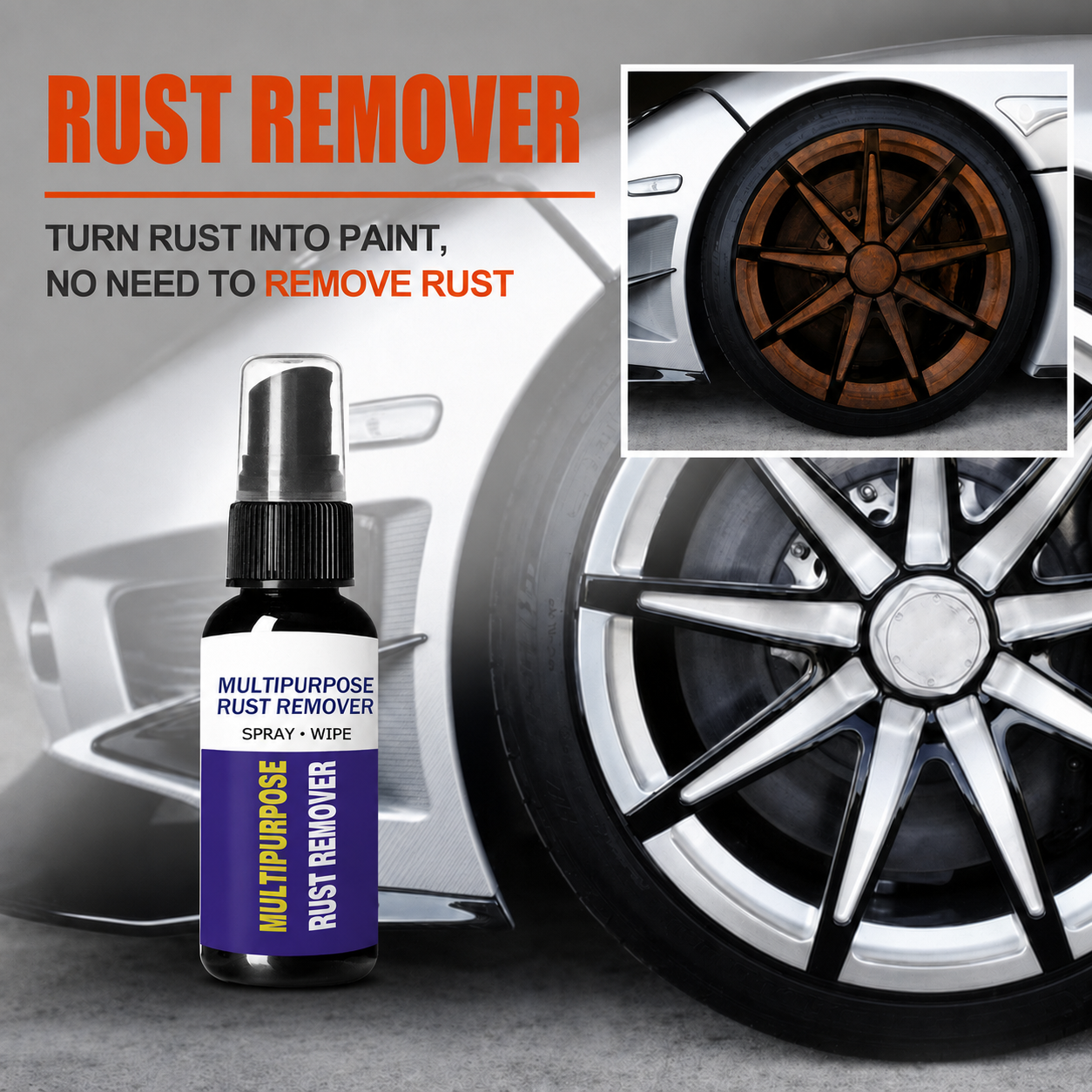
Instantly dissolves tough rust & grime
Free shipping on orders over $39.99✅ 90-Day Free Returns 👍 24/7 Custom Service
Free shipping on orders over $39.99✅ 90-Day Free Returns 👍 24/7 Custom Service
Free shipping on orders over $39.99✅ 90-Day Free Returns 👍 24/7 Custom Service
Free shipping on orders over $39.99✅ 90-Day Free Returns 👍 24/7 Custom Service
Free shipping on orders over $39.99✅ 90-Day Free Returns 👍 24/7 Custom Service
Free shipping on orders over $39.99✅ 90-Day Free Returns 👍 24/7 Custom Service
Free shipping on orders over $39.99✅ 90-Day Free Returns 👍 24/7 Custom Service
Free shipping on orders over $39.99✅ 90-Day Free Returns 👍 24/7 Custom Service
Free shipping on orders over $39.99✅ 90-Day Free Returns 👍 24/7 Custom Service
Free shipping on orders over $39.99✅ 90-Day Free Returns 👍 24/7 Custom Service
Free shipping on orders over $39.99✅ 90-Day Free Returns 👍 24/7 Custom Service
Free shipping on orders over $39.99✅ 90-Day Free Returns 👍 24/7 Custom Service
Free shipping on orders over $39.99✅ 90-Day Free Returns 👍 24/7 Custom Service
Free shipping on orders over $39.99✅ 90-Day Free Returns 👍 24/7 Custom Service
Free shipping on orders over $39.99✅ 90-Day Free Returns 👍 24/7 Custom Service
Free shipping on orders over $39.99✅ 90-Day Free Returns 👍 24/7 Custom Service
Couldn't load pickup availability


CUSTOMER PROJECTS
From bikes and hand tools to gates and garden gear.
 Bicycle drivetrain
 Garden shovel
 Hand tool
 Metal bracket
 Gate hinge
Rust care, simplified
Designed for daily rust cleaning on bolts, chains, tools, and metal parts. Spray to let the formula fully contact the surface, then wipe or brush, reducing the time spent on repeated sanding.

Spray & wipe
Complex metal surfaces like grilles, guards, and tool housings easily accumulate stains and rust in the corners. After spraying evenly, wipe with a cloth; for deep textures, use a soft brush.

Moving parts
Chain links, gear grooves, and shaft connections are often where rust and dirt accumulate the most. Target these key areas and brush after the surface rust softens for targeted cleaning.

How to use
Different materials and rust levels affect the results. When using for the first time, please start in an inconspicuous area and follow the specific instructions on the packaging label.
Rinse clean
For washable metal parts, rinse or wipe clean according to the product label after treatment; for devices that cannot be washed directly, clean in steps with damp and dry cloths to prevent liquid from entering circuits or sealed structures.

Workshop ready
Can be used to treat surface rust on common metal tools, screws, nuts, hinges, chains, gears, and some mechanical parts. Be sure to test compatibility first on plated, painted, polished, or special alloy surfaces.

Good for
Suitable for common metal objects focusing on surface rust and daily maintenance.
Use with care
Direct spraying is not recommended for the following areas, or you may need to check the equipment and material instructions first.
FAQ
Refer to the packaging label instructions. Mild surface rust usually requires only a short contact time, while stubborn rust layers may require longer or repeated treatment. Do not let the liquid dry out on surfaces with uncertain compatibility.
Tolerance varies by formula and surface treatment. Please test a small inconspicuous area first to confirm no fading, loss of gloss, softening, or mottling before expanding the application.
No. Rust remover sprays are primarily used for treating surface rust and aiding cleaning; they cannot restore lost metal thickness or structural strength. Load-bearing parts, safety components, and severely corroded parts should be inspected or replaced by professionals.
Usually, yes. Rust cleaning and subsequent lubrication are separate steps. After the parts are completely clean and dry, suitable lubrication products for that area should be applied according to the bicycle or equipment manufacturer's requirements.